
Investing often sounds complicated or risky because our concepts about it are not clear.
If you’re new to personal finance, you may be wondering what is investing and why so many people talk about it.
Investing often sounds complicated or risky to beginners. Words like stocks, mutual funds, market ups and downs can feel overwhelming. But investing, at its core, is actually very simple.
In this article, we will explain what is investing, why it matters, and how beginners should think about it—without jargon.
What Does Investing Really Mean?
Investing means putting your money into something with the expectation that it will grow over time.
For example, when people invest through mutual funds or stocks, they are essentially becoming small owners in businesses and the economy.
Instead of keeping all your money idle in a savings account, investing allows your money to work for you.
Common examples of investing include:
- Buying shares of companies
- Investing in mutual funds
- Purchasing bonds or ETFs
The key idea is long-term growth, not quick profit.

Investing vs Just Saving Money
Saving and investing are not the same.
- Saving keeps your money safe and easily accessible
- Investing helps your money grow faster over time
Saving is important for emergencies and short-term needs.
Investing is important for long-term goals.
Both are necessary, but they serve different purposes. In real life, most people need a balance of both saving and investing, depending on their income, goals, and comfort with risk.
Read our article about Saving vs. Investing to understand the differences.
Why Investing Is Important
One major reason investing is important is largely because of inflation, which quietly reduces the value of money over time.
Inflation slowly reduces the value of money. If your money grows slower than inflation, you actually lose purchasing power over time.
Investing helps you:
- Beat inflation
- Build wealth gradually
- Achieve long-term goals
This is why investing is essential for:
- Retirement
- Children’s education
- Financial independence
Is Investing Risky?
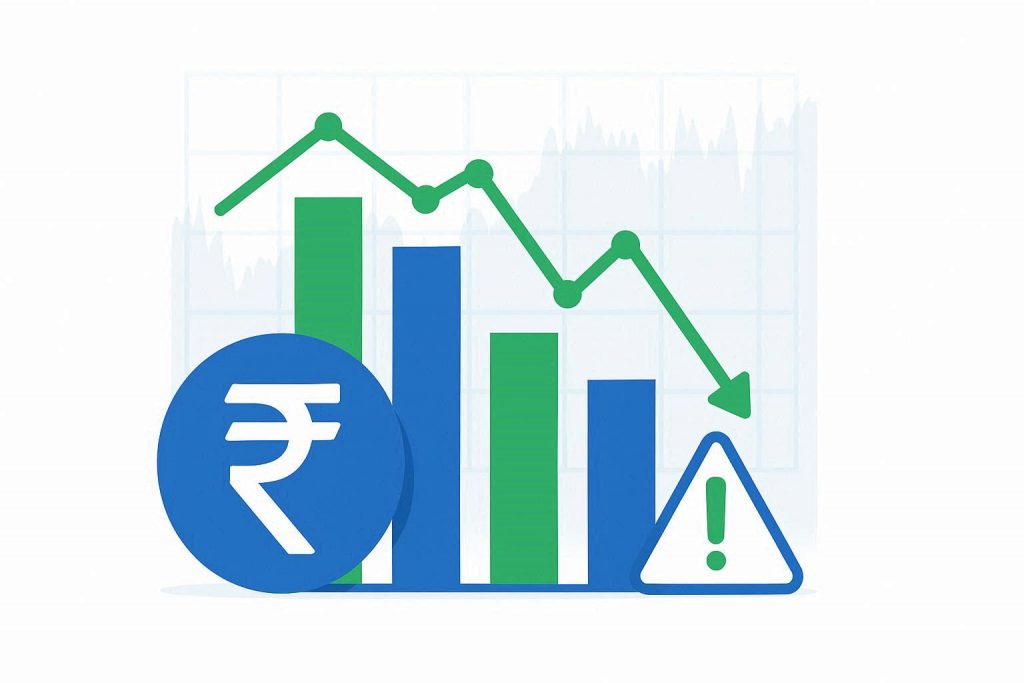
Yes, investing involves risk—but not investing is also risky.
If you don’t invest:
- Your money loses value due to inflation
- You may struggle to meet future financial goals
The goal is not to avoid risk completely, but to manage risk wisely. This is why most experienced investors focus on long-term investing rather than short-term market movements.
Long-term investing, diversification, and patience reduce risk significantly.
Who Should Start Investing?
Almost everyone can start investing:
- Salaried professionals
- Business owners
- Young adults
- Beginners with small amounts
How Much Money Do You Need to Start Investing?
You don’t need a large income.
In India many investments allow you to start with ₹500 per month.
The most important thing is starting early, not starting big. Even small, consistent investments can make a meaningful difference over time.
Also Read – What are mutual fund? & How SIP works?
Common Beginner Misconceptions
- Investing is gambling ❌
- You need expert knowledge ❌
- You need a lot of money ❌
In reality, investing is about:
✔ Time
✔ Discipline
✔ Basic understanding
Simple Example to Understand Investing
Let’s say you save ₹10,000 every year in a bank account earning 3% interest. Over time, your money increases slowly.
Now imagine investing the same ₹10,000 annually in a diversified mutual fund earning an average return of 10–12% per year.
Over 15–20 years, the invested amount becomes significantly larger due to compounding.
This is why investing is important for long-term goals such as:
- Retirement planning
- Children’s education
- Financial independence
Final Thoughts about what is investing
Investing is not about getting rich quickly—it’s about building financial stability step by step.
Once you understand what investing really means, fear reduces and confidence grows.
What to Read Next
👉 Saving vs Investing Explained
🔑 Key Takeaway
Saving protects your money.
Investing helps it grow.
A strong financial future needs both.