
You can always check the official holiday list on the National Stock Exchange (NSE) website, which publishes the updated trading holiday calendar every year.

If you are new to investing, you may be surprised to learn that the stock market does not operate every day and there are also holidays.
There are specific days when markets remain completely closed, even though banks or offices may be open.
In this article, you’ll understand what stock market holidays are, why markets close on those days, and how beginners should plan around them—in simple language.
go to the NSE website for
What Are Stock Market Holidays?
Stock market holidays are days when stock exchanges remain closed and no trading takes place.
On these days:
- You cannot buy or sell shares
- Prices do not change
- Orders placed are not executed
In India, stock market holidays apply to major exchanges like:
- National Stock Exchange of India
- Bombay Stock Exchange
Both exchanges usually follow the same holiday calendar.
Why Do Stock Markets Have Holidays?
Stock markets have holidays for several important reasons.
1️⃣ National and Public Holidays
Markets close on important national holidays such as:
- Republic Day
- Independence Day
- Gandhi Jayanti
These days are significant for the country, and financial markets remain shut.
2️⃣ Religious and Cultural Festivals
India has diverse religious and cultural celebrations.
Markets may close on festivals like:
- Diwali
- Holi
- Eid
- Dussehra
This ensures fair participation when a large number of people may not be active.
3️⃣ Operational and Settlement Reasons
Stock markets involve:
- Banks
- Clearing corporations
- Depositories
All these systems need to work together.
Holidays ensure smooth coordination and accurate settlement of trades.
What Happens If You Place an Order on a Holiday?
This is a common beginner question.
If you place an order on a market holiday:
- The order is queued
- It does not execute immediately
- It executes only when the market opens next working day
The execution price will depend on:
- Market conditions at opening
- Demand and supply
So, price certainty is not guaranteed.
Do Stock Market Holidays Affect Long-Term Investors?
Not really.
Long-term investors:
- Invest with a horizon of years
- Are not affected by one or two closed days
- Focus on business growth, not daily prices
Market holidays mostly matter to:
- Traders
- Short-term investors
For long-term investors, holidays are simply pause days.
Are There Different Holidays for Equity and Other Segments?
Sometimes, yes.
Markets have different segments such as:
- Equity (shares)
- Derivatives
- Currency
- Commodities
On certain days:
- Equity market may be closed
- Other segments may be open
Beginners usually focus on equity markets, where holidays are clearly announced in advance.
Special Trading Sessions (Muhurat Trading)
One unique feature in India is Muhurat Trading.
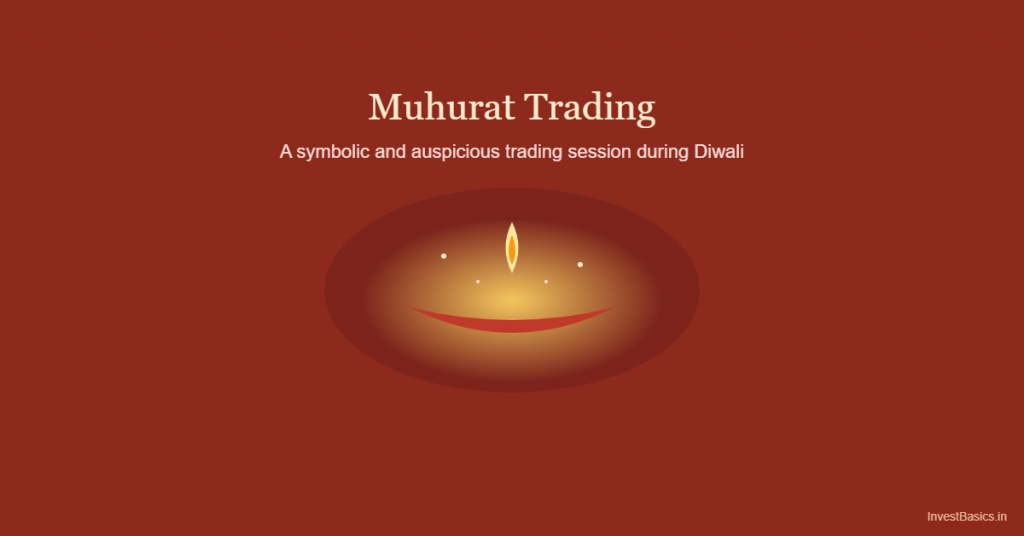
On Diwali:
- Markets open for a short, special session
- Considered auspicious by many investors
Muhurat trading is symbolic and optional.
It does not change long-term investing outcomes.
Beginners should not feel pressure to trade during this session.
Where Can You Check Stock Market Holidays?
Stock market holidays are announced well in advance.
You can check the official holiday list on the National Stock Exchange (NSE) website, which publishes the updated trading holiday calendar every year.
- Official exchange websites
- Your broker’s app or website
- Financial news portals
Always verify holidays before planning trades or investments.
Common Beginner Myths About Market Holidays
Myth 1: Markets close randomly
Truth: All holidays are pre-announced.
Myth 2: Prices change on holidays
Truth: No trading means no price movement.
Myth 3: Holidays cause losses
Truth: Holidays simply pause trading; they don’t create gains or losses.
How Beginners Should Plan Around Market Holidays
A simple approach:
- Be aware of holiday dates
- Avoid urgent trading around holidays
- Use holidays to learn and review
- Focus on long-term goals
Markets will reopen.
Opportunities don’t disappear because of a holiday.
Market Holidays vs Bank Holidays
Another common confusion.
- Bank holidays may not always be market holidays
- Market holidays always mean no trading
Never assume market status based only on bank holidays—always check the exchange calendar.
Final Thoughts
Stock market holidays are a normal and necessary part of the investing system.
They:
- Ensure smooth operations
- Respect national and cultural events
- Protect fairness in trading
Once you know when markets are closed, you can plan calmly and avoid unnecessary confusion.
What to Read Next
👉 How Do You Make Money from Stocks?
🔑 Key Takeaway
Stock market holidays mean no trading and no price movement.
Orders placed are executed on the next trading day.
Long-term investors are largely unaffected by market holidays